
What is a GTM Strategy for B2B Startups and Why It Matters?
Launching a product in today’s competitive B2B market isn’t just about having a great offering—it’s about how you go to market. A well-defined GTM strategy ensures that your product reaches the right audience, communicates the right value, and converts prospects into loyal customers.
For founders and CXOs, understanding GTM is critical to scaling efficiently and avoiding wasted marketing spend.
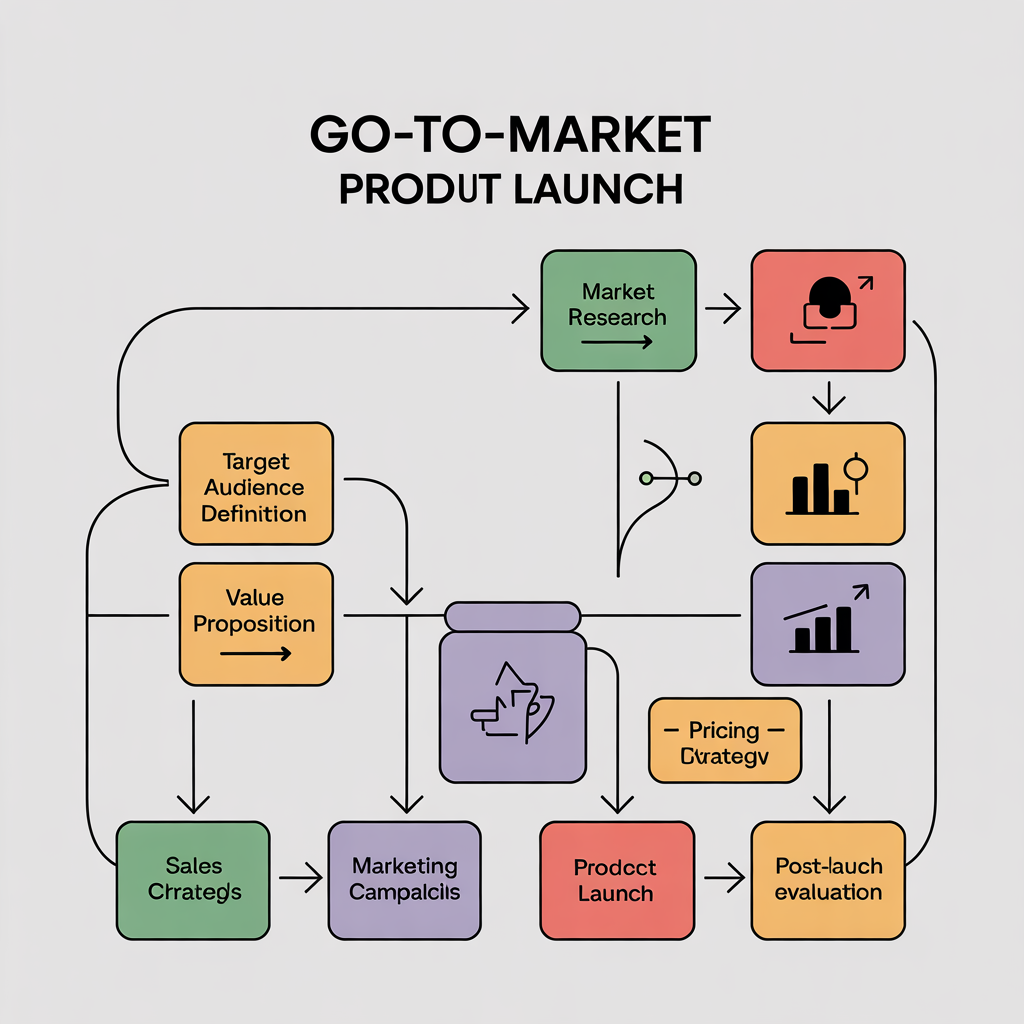
What is a GTM Strategy?
A Go-To-Market (GTM) strategy is a comprehensive plan for how a company will sell its products or services to customers. In B2B, it includes:
• Defining your ideal customer profile (ICP)
• Crafting your positioning and messaging
• Selecting the right channels (digital, partnerships, events)
• Pricing and packaging your offerings
• Setting up a demand engine to generate leads consistently
Simply put, a GTM strategy is your blueprint for growth, ensuring all efforts align to capture market share.
Why GTM Matters for B2B Startups
Startups often make the mistake of launching products without a clear GTM plan. The results?
• Products get lost in crowded markets
• Marketing spend is inefficient
• Leads fail to convert due to unclear messaging
By investing in a structured GTM strategy, B2B startups can:
• Differentiate themselves from competitors
• Increase conversion rates through clear messaging
• Build a scalable demand engine that fuels growth
Core Components of a GTM Strategy
Every strong GTM strategy for B2B includes:
• Customer Understanding – Knowing who your buyers are and what drives their decisions.
• Messaging & Positioning – Clearly communicating why your product matters.
• Channel Selection – Choosing where and how to reach your audience.
• Pricing & Packaging – Making your offerings easy to evaluate and buy.
• Demand Engine – The system that generates, nurtures, and converts leads.
Each component works together to create a seamless path from awareness to revenue.
How Branding and Messaging Fit into GTM
Without strong strategic branding and messaging, even a perfect product can struggle to gain traction. Your GTM plan must clearly articulate:
• Your unique value proposition
• The story behind your brand
• Messaging that resonates across channels
This ensures that your demand engine converts efficiently and that customers remember your brand long after a single campaign.
How To Build A GTM Strategy For B2B Startups
Here’s a simple roadmap:
1. Define your ICP and buyer personas
2. Audit competitors and market positioning
3. Craft messaging and brand story
4. Select channels and design campaigns
5. Build a demand engine to capture and nurture leads
6. Measure and iterate based on results
Following these steps will help your startup launch with clarity and confidence.
Your Plan of Action
If you’re a B2B founder or CXO looking to create a GTM strategy that drives growth, book a discovery call with Brand Sutra today. Our expertise in strategic branding, messaging, and demand engines ensures your product doesn’t just launch—it thrives.